

Africa has emerged as one of the fastest-growing consumer markets for PP woven bags in recent years. As agriculture, infrastructure construction, cross-border trade and local logistics industries continue to expand steadily across the continent, reliable, low-cost and high-strength packaging solutions are in urgent supply. PP woven bags, also widely known as polypropylene woven sacks, have become the preferred packaging option for countless smallholder farmers, large agribusinesses, construction suppliers, mineral exporters and local distributors. Our company, wovenbagpp.com, keeps a close eye on the evolving African market and supplies qualified PP woven bags tailored to diverse local requirements for buyers from different African countries.
PP woven bags are manufactured from polypropylene flat yarn, woven into stable fabric structures. The material features excellent tensile strength, tear resistance, moisture resistance and UV stabilization options. Compared with traditional packaging materials such as paper sacks and low-grade plastic bags, standard PP woven bags can bear heavy loads, stack neatly during transportation and storage, and support repeated use under proper conditions. These inherent advantages perfectly match the practical needs of African end users, where long-distance road transport, open-air storage and harsh tropical weather conditions are very common.
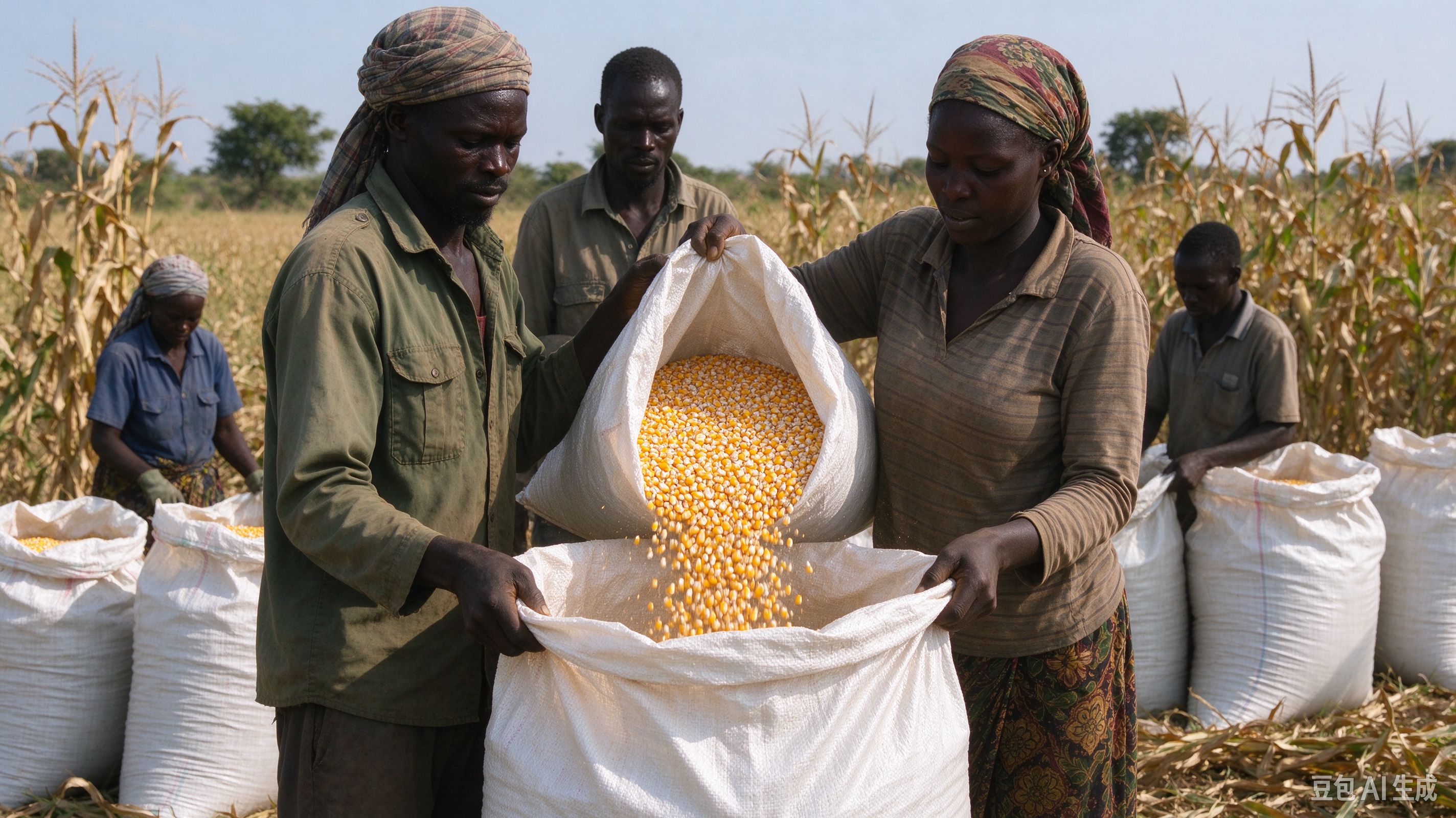
Agriculture remains the largest consumption field for PP woven bags in Africa. A large share of the African population relies on farming, grain cultivation, cash crop planting and livestock breeding. Maize, rice, wheat, beans, cocoa, coffee, cashew nuts, cotton and sesame are major agricultural commodities that require bulk packaging after harvest. Small-scale farmers and large cooperative farms need sacks to collect, dry, store and sell grains. Without durable woven packaging, stored grains are easily spoiled by humidity, insects and mechanical damage, leading to huge post-harvest losses every year. UV-treated PP woven bags perform much better under strong sunlight, protecting grain quality during outdoor drying and market transit. Many grain traders and food storage authorities now set clear purchasing standards for the thickness, weight, printing and seam strength of agricultural PP woven sacks.
Besides agriculture, the construction and mining sectors are pushing up the consumption of PP woven bags in Africa. Rapid urbanization drives continuous demand for cement, sand, lime, gypsum and mineral ores. Cement packaging is a classic application for heavy-duty PP woven bags. In many regional markets, local cement factories and mineral processing companies place bulk orders for custom printed woven sacks, with brand logos, product specifications, weight marks and safety warnings printed on the bag surface. These woven sacks are required to resist abrasion when filled with sharp granular materials and survive rough handling at quarry sites and building yards. Waste sand packing, soil packaging for landscaping and chemical raw material packing also create stable orders for PP woven bag manufacturers.
Logistics and cross-border trade further fuel market growth. Intra-African trade keeps expanding under regional economic cooperation frameworks. Commodities frequently move between border markets, ports and inland cities. Lightweight PP woven bags help reduce overall shipping cost compared with heavier packaging. Buyers also favor flexible customization: customers can choose different sizes, colors, printing designs, liner options and carrying handles. For food-grade use, inner PE liners can be added to achieve extra waterproof and dustproof performance, which is critical for edible crops.
Even with the strong upward trend, the African PP woven bag market also faces obvious characteristics. Price sensitivity is a major factor for most buyers. Local buyers balance quality and cost carefully; many small buyers look for economical standard sacks, while big enterprises and government food programs prefer premium UV-stabilized, food-safe products with consistent quality. Supply chain accessibility matters too. Many importers prefer suppliers who can arrange stable sea shipments, offer clear product test certificates and support flexible order quantities. This is where our team at wovenbagpp.com focuses: we develop product lines specially optimized for African markets, including grain sacks, cement bags, mineral packing bags and general-purpose woven bags. We support custom printing, size adjustment and add anti-UV treatment as requested by clients.
Sustainability discussion is also spreading across Africa’s packaging industry. Many local governments are rolling out plastic management policies. Reusable PP woven bags have an advantage over single-use thin plastic bags. After careful cleaning, intact polypropylene sacks can be reused multiple times. At the end of service life, PP material is recyclable. More and more buyers start to recognize the value of reusable and recyclable woven packaging, which will support long-term market expansion of PP woven bags.
Looking ahead, market analysts expect the demand for PP woven bags in Africa to maintain steady growth in the next several years. Population growth, improved agricultural output, ongoing infrastructure investment and the development of export-oriented cash crops will continue to generate new demand. Regional differences also exist: East Africa and West Africa are currently the biggest consumption regions, while Southern Africa shows rising demand from mining and agriculture.
Our company wovenbagpp.com continues to learn from feedback from African partners, optimize product quality and service. We welcome importers, distributors, farm cooperatives, cement plants and trading companies from all African countries to contact us for catalogs, samples and quotation. We aim to be a reliable long-term supplier of high-quality PP woven bags for the African market.
Post time: Oct-26-2026


